
2026 Commercial Design: Discover 10 Trends for Smarter, More Adaptable Spaces
At Robert Hakes Construction, located in the bustling hubs of Vancouver, Washington, and Portland, Oregon, we understand that commercial construction is about crafting spaces that work smarter—not just look sharper. In 2026, design trends in commercial construction, including tenant improvements, are evolving with a focus on longevity, flexibility, and user experience. Whether you’re planning a new build or a strategic refresh of restaurants, office spaces, or industrial and retail construction projects, these 10 trends can guide you toward improvements that boost tenant satisfaction, reduce maintenance costs, and elevate long-term value.
1. Embrace Strategic Neutral Commercial Design
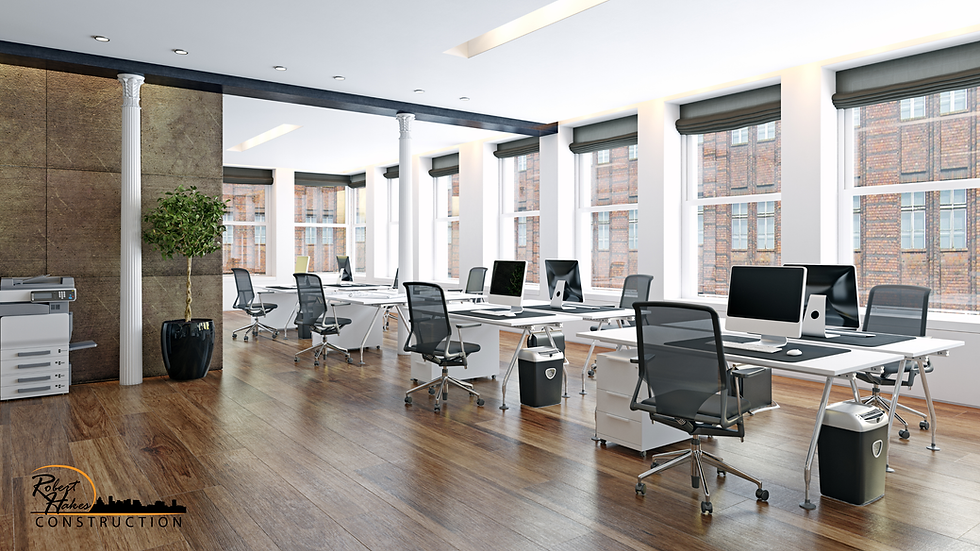
In the world of commercial construction, from vibrant Portland to dynamic Vancouver, strategic neutral design is becoming the preferred choice. While bold interiors may catch attention, they can limit leasing appeal in office spaces and retail environments. In 2026, there’s a clear preference for clean lines, soft contrasts, and timeless finishes that offer a welcoming yet adaptable backdrop. This approach creates a versatile foundation, making spaces easier to lease and customize. Design for longevity, not just the moment, and watch your tenant improvements flourish.
2. Opt for Smarter, Tougher Surfaces
High-traffic areas like corridors and restrooms in commercial environments demand durability alongside aesthetics. In both Portland and Vancouver, using materials such as quartz composites, antimicrobial metals, and high-grade vinyl provides excellent wear resistance while maintaining a polished look. Incorporating these materials in phased updates rather than full renovations can stretch budgets and reduce maintenance requests, making them ideal for both industrial and retail construction projects.
3. Invest in Adaptive Lighting
Lighting in 2026 is about adaptability, energy efficiency, and occupant comfort, especially in tenant improvements for restaurants and office spaces. Expect to see more tunable white LEDs, low-glare indirect lighting, and occupancy sensors becoming standard in commercial construction. Upgraded lighting enhances mood and productivity while often qualifying for utility incentives and tax credits, offering savings from day one.

4. Intuitive Wayfinding Commercial Design
Modern design embraces intuitive navigation through thoughtful visual cues—think color-coded pathways, varied flooring textures, and lighting contrasts that guide movement naturally. This is particularly important in multi-tenant environments, healthcare, and education sectors across Portland, Oregon, and Vancouver, Washington. These subtle design choices reduce confusion and make spaces more inclusive and accessible.
5. Hospitality-Inspired Commercial Lobby Design
Today’s commercial lobbies are borrowing cues from high-end hotels—not to impress with luxury, but to instill calm and competence. Soft lighting, warm finishes, discreet storage, and ergonomic seating combine to make a strong first impression. Robert Hakes Construction can help transform your entry experience in both retail and office spaces to support both functionality and ambiance.
6. Cost-Effective Biophilic Design
Biophilic elements continue to thrive in commercial environments without the expense of green walls. Large planters with integrated lighting, low-maintenance faux foliage, and digital nature panels bring the outdoors in without ongoing care headaches. These upgrades contribute to well-being and improved indoor air perception—something tenants increasingly expect in both Portland's and Vancouver's urban landscapes.

7. Flexible Interiors with Modular Components
Businesses today need spaces that adapt as quickly as their strategies. Modular buildouts—like demountable glass walls, movable pods, and reconfigurable workspaces—offer flexibility without starting from scratch. Modular interiors can significantly cut reconfiguration costs and timelines, a key value in today’s agile commercial market, especially for tenant improvements in office spaces and restaurants.
8. Concealed Infrastructure and Streamlined Ceilings
Open ceilings are trending down. Clean ceiling grids with flush-mounted fixtures, hidden systems, and color-matched components are gaining traction. These updates offer a modern, high-end look while reducing visual clutter—especially effective in office spaces and mixed-use developments throughout Portland and Vancouver.
9. Micro-Luxuries with Macro Impact
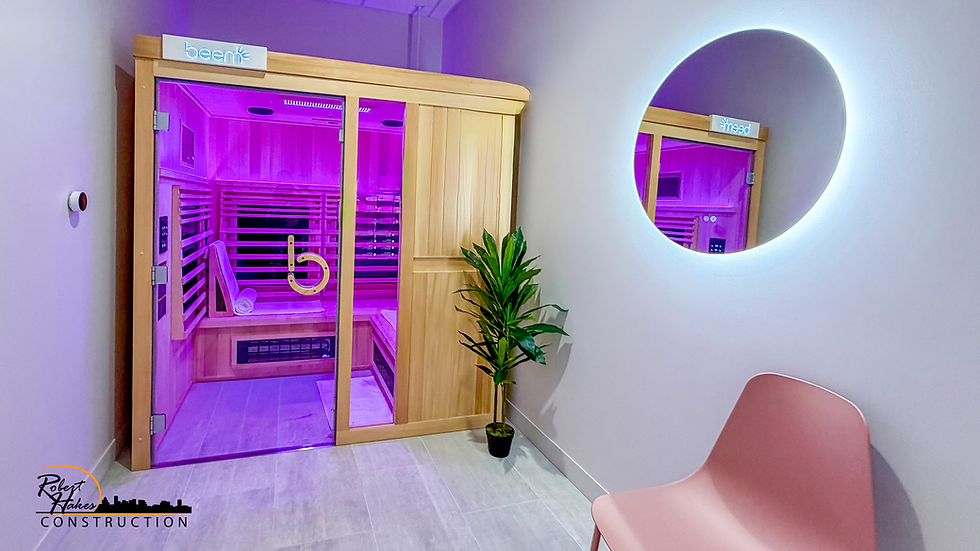
Small upgrades in high-touch areas go a long way. Touchless restroom features, soft-close partitions, and LED-backlit mirrors offer high perceived value for a relatively low investment. These smart upgrades are noticed by both tenants and leadership, especially when end-of-year budgets or refresh allowances come into play in both industrial and retail construction projects.

10. Quiet but Effective Commercial Design
The common thread through all 2026 trends? Quiet quality. Designs that fade into the background when not needed—and shine when they are—create spaces people trust, enjoy, and want to return to, ensuring your commercial spaces remain relevant and appealing.
Let’s Bring These Trends to Your Next Project
At Robert Hakes Construction, we don’t just build—we collaborate. Whether you're in Vancouver, Washington, or Portland, Oregon, planning a renovation, repositioning, or new space in 2026, our team is ready to guide you through each design decision with budget-conscious solutions and practical execution strategies. Let’s talk about how these trends can work for your property, from commercial construction to tenant improvements.


Comments